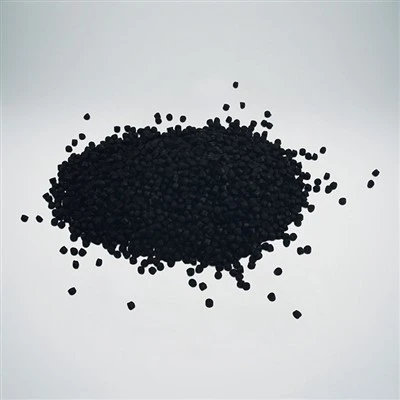
Hey there, fellow material seekers! If you’ve ever shopped for everyday stuff like phone cases, kitchen spatulas, baby teethers, or even gaming controller grips, you’ve probably heard the terms TPE, TPR, and silicone thrown around. When I started my job at a TPE/TPR compounds supplier, I’ll admit I mixed TPE and TPR up at first—turns out they’re basically the same for most practical purposes, but everyone and their cousin uses TPE when talking about the whole group now. Silicone, though? That’s a whole different ballgame. TPE and TPR Compounds
I get it, materials can feel like voodoo sometimes—unless you’re the guy who tests them all day (read: me). Let’s break this down like I’m explaining it to my buddy who builds custom kayaks and needs to pick the right grip material. No stuffy jargon, just the real stuff I see daily.
First, let’s start with what both are, because that’s where most people trip up. TPE (Thermoplastic Elastomer) is a type of plastic that acts like rubber—you can bend it, stretch it, squeeze it, and it springs right back, no weird permanent stretch marks. Because it’s thermoplastic, you can melt it down and re-shape it over and over. That’s a huge win for manufacturers—no wasting old scrap, just toss it back into the machine and reuse. TPR, like I said, is just another name for TPE in many cases; some older folks still call it TPR, but 9 out of 10 molders we work with say TPE now.
Silicone? That’s a polymer made from silicon (you know, the stuff in sand) and oxygen, not plastic at all. It’s a synthetic rubber, but totally separate from TPE’s plastic roots. The first big difference pops up in processing, and that’s a big deal for factories. TPE melts at around 180-220°C—super easy to run in standard injection molding machines. If you’re making 10,000 baby bottle handles or 50,000 yoga mat grips, you don’t need special, expensive equipment. TPE parts cool fast too, so your production line doesn’t drag.
Silicone? It needs way hotter processing—usually 180°C just to cure, and even high-temperature vulcanization (HTV) silicone needs a specialized press. Liquid silicone (LSR) is a bit easier, but it still requires dedicated injection molds and machinery that’s not cheap. I’ve had small molder customers come to us wanting to switch from silicone to TPE because they can’t keep up with their order turnaround time—silicone takes 2x as long to process, and machine downtime is way costlier.
Next up: flexibility and feel. Both are squishy, but they feel totally different. TPE has that “rubbery” feel, like a good shoe sole or a soft phone case that doesn’t slide off your dashboard. It’s flexible at cool temps, but get it too cold (like below -20°C) and it gets stiff and brittle—perfect for warm climates, but not great for Arctic gear or winter sports equipment. Silicone, though, stays squishy and flexible even down to -40°C. That’s why you see silicone seals on deep-freezer doors or snowmobile handles.
On the flip side, TPE stretches way farther than silicone. I’ve seen TPE get stretched 5x its original length and bounce back no problem. Silicone can stretch maybe 1.5x before it gets tight, and if you yank it too hard, it tears. Ever tried to stretch a silicone spatula? It just kind of gives a little and stops. TPE? You can pull it like a rubber band and it’ll snap back. That’s why TPE is used for things like elastic waistbands on workout gear or stretchable earbud tips that don’t fall out.
Then there’s the big one for consumer products: safety and resistance. Both are non-toxic, which is why they’re used for baby stuff, but their resistance to chemicals and heat is night and day. TPE is pretty good against mild chemicals—soaps, oils, even some household cleaners. But if you spill a strong solvent (like nail polish remover or rubbing alcohol) on TPE, it can break down, get sticky, or even discolor. Silicone is way more resistant to chemicals—you can scrub a silicone baking sheet with all kinds of cleaners, and it won’t budge. That’s why silicone is used for oven mitts, bakeware, and medical tubing that gets sterilized with harsh stuff.
Heat resistance: TPE’s max temp is usually around 120°C—so it’s fine for holding a warm coffee mug, but don’t stick a TPE part in the oven. I’ve had a customer who tried to use TPE for a baking tray grip, and it melted a little when they preheated the oven. Silicone, though, can handle up to 260°C without melting, and even higher for short periods. That’s why silicone bakeware is safe for the oven, and silicone seals on pressure cookers don’t warp.
Another thing people notice is odor and staining. New TPE parts might have a faint plasticy rubber smell that fades after a day or two. Silicone is almost odorless right out the mold. Staining? TPE can pick up dyes from things like food or clothing over time—you might get a pink phone case that turns blue if it rubs on your jeans a lot. Silicone is non-porous, so it doesn’t absorb stains. Ever had a silicone spatula that got tomato sauce on it? A quick wash and it’s good as new. A TPE spatula? It might hold onto that tomato stain forever.
Durability is where we get a few tradeoffs. TPE is more abrasion-resistant than silicone—so if you’re making something that gets rubbed a lot, like a gym equipment handle or a tool grip, TPE will last longer. Silicone can tear or develop little cracks after a lot of friction. But silicone is way more resistant to UV light—leave a TPE phone case outside in the sun for a month, and it’ll get brittle and yellow. Leave a silicone one out, and it stays soft and doesn’t discolor as much. That’s why silicone is used for outdoor furniture seals and garden hoses, while TPE is great for indoor items.
Wait, let’s talk about cost too, because that’s a make-or-break for a lot of buyers. TPE is way cheaper than silicone. We’ve got customers who switch from silicone to TPE just to cut their production costs by 30-40% for large runs. Silicone’s processing costs are higher, and the raw material itself is pricier, so it adds up fast. The only time it makes sense to pay more for silicone is when you need those extreme temp or chemical properties.
Now, why does this matter to you, especially if you’re a product designer or manufacturer? Let’s say you’re making a new line of non-slip bottle grips. If your bottles are for hiking and will be left in hot cars or even frozen in winter, silicone might be better. If they’re for everyday use, cheaping out on TPE will save you a ton without sacrificing feel. If you’re making medical devices that need to be sterilized, silicone is non-negotiable, but for a toy, TPE works just as well and is easier to mold.
I’ve seen so many mistakes from people who don’t know the difference. One time a startup came to us with a product that was a silicone teether, but they were paying way too much for it—they switched to our food-grade TPE and cut their material costs in half, and the teethers lasted just as long. Another customer tried to use TPE for a gasket that goes on a cold storage unit, and it cracked in the winter; we pointed them to our low-temperature silicone compounds, and that fixed their problem.
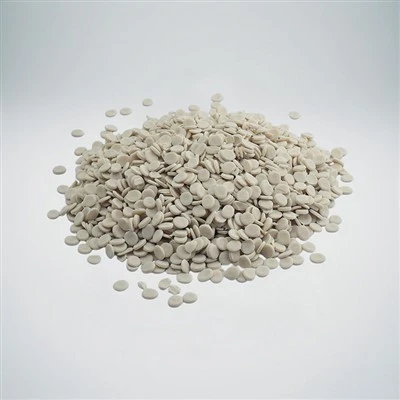
At the end of the day, it boils down to your specific use case. Do you need something that can stretch a lot, process fast, and be cheap? TPE/TPR is your guy. Do you need something that can handle heat, chemicals, or extreme cold, and stay stain-free? Silicone is the way to go.
Soft-Touch TPE Cable Compound If you’re not sure which to pick, or you’re tired of dealing with silicone suppliers who overcharge or TPE compounds that don’t work for your product, hit us up. We don’t do one-size-fits-all—we work with you to tweak our TPE blends so they fit your exact specs, whether that’s a grip for a gaming controller, a seal for a appliance, or a baby product that needs to pass safety tests. No nonsense, no weird hidden fees, just straight material advice that’s helped hundreds of customers cut costs and improve their products.
References
- “Thermoplastic Elastomers (TPE) Basics,” Society of Plastics Engineers (SPE), 2022.
- “Silicone vs. TPE: Key Differences in Processing and Performance,” Additiva Materials, 2023.
- “FDA-Compliant Elastomers for Food and Medical Applications,” U.S. Food and Drug Administration (FDA), 2021.
- “Flexibility and Durability Comparison of Elastomeric Materials,” Journal of Applied Polymer Science, Vol. 139, No. 12, 2022.
- “Processing Costs of Thermoplastics vs. Thermoset Elastomers,” Plastics Technology Magazine, 2023.
Opta New Materials (Jiangsu) Co., Ltd.
As one of the most professional TPE and TPR compounds manufacturers and suppliers in China, we also support customized service. We warmly welcome you to buy bulk durable TPE and TPR compounds from our factory. If you have any enquiry about free sample, please feel free to email us.
Address: No.80, Jingang Avenue, Zhenjiang New Area, Zhenjiang City, Jiangsu Province, China.
E-mail: le.yin@optachem.com
WebSite: https://www.optanewmaterials.com/
