If you’ve ever stood in the candy aisle, staring at a box of fruit chews or a bag of sour gummies and wondered if the packaging holding them is safe, you’re not alone. As a candy and snacks packaging supplier, I get this question at least a dozen times a week—from small-batch craft candy makers worried about their brand’s reputation, to large-scale distributors auditing their supply chains, even from parents sending me long emails about BPA and its link to food safety. Today, I’m breaking down what BPA is, why it’s been a concern for candy packaging, and the real story: yes, BPA-free candy packaging is not only possible—it’s the standard most responsible confectionery brands are moving toward right now. Candy and Snacks Packaging
First, let’s cut through the confusion about what BPA actually is. Bisphenol A, or BPA, is a synthetic compound used for decades in hard plastics, epoxy resins, and protective coatings for metal packaging. Its key role? A thin coating on the inside of cans, trays, and even some paper-based candy wraps to keep food from touching the metal, which prevents rust, leaching of heavy metals, and cross-contamination. For candy manufacturers, that coating seemed like a win—until independent research starting in the 2000s began raising red flags.
The concern centers on endocrine disruption. BPA is structurally similar to estrogen, a hormone that regulates everything from metabolism to reproduction in both humans and animals. Studies funded by the National Institute of Environmental Health Sciences (NIEHS) have linked low-dose BPA exposure to a range of potential health issues: altered brain development in children, increased risk of metabolic disorders like type 2 diabetes, and even impacts on reproductive health. The kicker for candy? Candies are high in sugars, acids (like citric acid in sour gummies), and fats, which can accelerate BPA leaching from packaging. So a lollipop wrapped in a plastic bag that’s been exposed to heat (say, sitting on a store shelf in a sunny parking lot) or a can of fruit jellies stored in a warehouse might release trace amounts of BPA that end up in the candy itself.
For a candy packaging supplier, this shift to BPA-free isn’t just a trend—it’s a response to both science and customer demand. Let’s get concrete: what are the alternatives to BPA in candy packaging, and how do they perform with different types of confectionery?
Take metal cans, historically a go-to for premium jellies, caramels, and holiday assortments. Traditional epoxy linings used BPA, but today’s manufacturers have developed BPA-free epoxy resins using bisphenol S (BPS) or bisphenol F (BPF) as substitutes—wait, no, hold on. It’s important to note that some early BPA substitutes raised their own small-scale concerns, so we work with suppliers that test these alternatives rigorously. The gold standard for BPA-free metal can linings now are linings made with polyolefins or other non-bisphenol-based polymers, which don’t have the same endocrine-active properties as BPA, BPS, or BPF. These linings are food-grade, meet FDA standards, and don’t react with the acidic or sugary compounds in candy. For example, we recently partnered with a caramel maker who switched from BPA-lined cans to BPA-free polyolefin-lined cans, and they reported no issues with rust, spoilage, or taste in their product—plus their customers have given them positive feedback about their “safe, transparent” packaging.
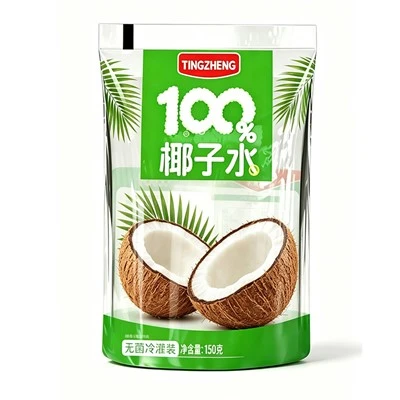
Then there’s flexible packaging, which makes up the majority of candy wrappers, stand-up pouches, and film bags. This is where the biggest innovation in BPA-free candy packaging has happened. For decades, flexible candy wraps used polyethylene (PE) or polypropylene (PP) films, but some had BPA-based additives for flexibility or barrier properties. Today, BPA-free flexible packaging uses a mix of barrier materials that keep candy fresh without BPA. For hard candies, lollipops, and chocolate-covered candies, we use a multilayer film structure: a food-grade PE outer layer for durability, a middle layer of ethylene vinyl alcohol (EVOH) for oxygen and moisture barrier (critical to keeping hard candies from absorbing moisture and turning sticky), and an inner layer of low-density PE that’s heat-sealable and BPA-free. For sour candies or gummies, which are more acidic, we adjust the inner layer to a specialized polyester (PET) blend that resists acid leaching, no BPA needed. We also test every roll of film we source for BPA levels, using third-party labs to confirm it’s below the FDA’s action limit of 0.5 parts per billion—way below levels that would pose a health risk.
Paper-based packaging, which is becoming increasingly popular for eco-conscious brands, is another area where BPA-free options exist. Many people don’t realize that some coated paper candy wraps (like waxed paper for taffy or holiday treat boxes) used to have BPA-based coatings to make them grease-resistant. Today, BPA-free paper coatings use natural materials like vegetable waxes, corn starch, or plant-based polymers to repel grease and moisture. For example, our paper candy wrappers for small-batch saltwater taffy use a 100% BPA-free, food-grade polymer coating derived from sugarcane, so the paper is compostable and free of any synthetic compounds that could leach into the taffy. We also offer uncoated paper options for brands that want a minimalist, plastic-free look—though we work with clients to test the barrier of uncoated paper, as some candies (like chewy caramels) need a protective layer to avoid sticking.
Now, I know what some of you are thinking: are these BPA-free packaging options as good as the old ones? Do they keep candy fresh as long? Are they affordable for small manufacturers? Let’s be honest for a second—early BPA-free packaging alternatives had growing pains. A few years back, some flexible pouches for gummies had poor barrier properties, leading to stale candy or melting in warm temperatures. But the technology has advanced a lot. Today’s BPA-free packaging has a shelf life equal to or better than BPA-containing options, thanks to better barrier materials. We test all our packaging for shelf stability: for a stand-up pouch of sour gummies, we simulate 12 months of storage at 70°F and 50% humidity, plus 3 months at 90°F (to mimic warehouse or shelf heat), and check for changes in texture, moisture content, and any potential leachables. So far, we’ve had zero quality complaints from clients using BPA-free packaging for their core products.
As for cost: yes, BPA-free packaging can be slightly more expensive than older options, but the gap has narrowed a lot in the last three years, thanks to higher demand from large brands. For a small craft candy maker producing 10,000 units a month, the difference might be just a few cents per unit—money that’s often recouped through higher sales from customers who prioritize safe packaging. For larger brands producing millions of units, the economies of scale make BPA-free packaging cost-competitive with traditional options. And let’s not forget the reputational boost: in a recent survey of confectionery brands by the National Confectioners Association, 78% of consumers said they’d pay 10% more for candy packaged in BPA-free materials. That’s a big number for a brand’s bottom line.
Of course, no conversation about food packaging safety is complete without talking about regulations. In the U.S., the FDA has banned BPA from baby bottles, sippy cups, and other food contact materials intended for young children, but it still allows BPA in some packaging—though it has issued guidance that BPA levels in food should be as low as reasonably achievable. The European Union has taken a stricter approach, banning BPA in all food contact materials since 2020, which means many global candy brands operating in the EU already use BPA-free packaging and are now extending that to their North American lines too. For us as a packaging supplier, that means every material we source is either FDA-compliant for BPA-free food contact, or meets EU’s REACH regulations, so our clients can sell their products anywhere in the world without worrying about compliance.
But here’s the thing about BPA and candy packaging that most people don’t talk about: it’s not just about the material itself, but how it’s processed. Some packaging companies might use BPA-free films during manufacturing, but if that film is stored near BPA-containing products in a warehouse, or if it’s processed with equipment that has residual BPA, there’s a risk of cross-contamination. That’s why as a candy packaging supplier, we have strict quality control protocols: all our BPA-free materials are stored in dedicated, sealed warehouses, our production lines are fully segregated from lines that process BPA-containing materials, and every batch of packaging undergoes BPA testing before it ships to a client. We also work with clients to educate them on best practices for storage and shipping—like keeping candy out of direct sunlight and high temperatures, which reduces the risk of any potential leaching, even from BPA-free packaging.
I’ve had clients come to me worried that switching to BPA-free packaging will mean compromising on their candy’s taste. It’s a valid concern—no brand wants their signature caramel to taste like plastic, or their sour gummies to pick up a weird off-note from their wrapper. To address that, we work with clients on packaging trials: we send sample rolls of BPA-free packaging, they fill them with their product, and we conduct taste tests to ensure no flavor transfer. For example, a chocolate maker recently tested our BPA-free flexible pouches for their dark chocolate truffles, and they reported zero flavor change—better, actually, than their old BPA-containing wraps, which had occasionally left a faint chemical aftertaste.
Looking ahead, the future of candy packaging is 100% BPA-free, and not just because of regulations or consumer demand. We’re seeing new materials that aren’t just BPA-free, but also compostable or recyclable, which fits with the confectionery industry’s push toward sustainability. Last year, we launched a line of BPA-free, compostable stand-up pouches made from plant-based polymers, which have been a hit with organic candy brands. These pouches meet industrial composting standards, so customers can toss the empty wrapper in a compost bin instead of a landfill—something that’s a big selling point for eco-conscious shoppers.

At the end of the day, the question “Are there BPA-free candy packaging materials?” isn’t just a yes or no answer. It’s about understanding that safe, effective BPA-free packaging is not only available—it’s the standard that responsible candy brands are adopting to protect their customers, their brand, and their bottom line. If you’re a candy maker looking to switch to BPA-free packaging, or if you have questions about what options work best for your specific products, I’m here to help. We work with brands of all sizes, from small-batch craft candy makers to multinational confectionery corporations, and we can provide custom packaging solutions, third-party test results, and support every step of the way. Don’t hesitate to reach out to our team to discuss your needs and find the right BPA-free packaging for your candies.
Instant Foods Packaging References
- National Institute of Environmental Health Sciences. (2022). Bisphenol A (BPA) and Health: A Review of Current Research. National Institutes of Health.
- National Confectioners Association. (2023). Consumer Attitudes Toward Candy Packaging Safety and Sustainability. NCA Industry Report.
- U.S. Food and Drug Administration. (2024). Food Contact Materials: Bisphenol A (BPA) Guidance. FDA.
- European Chemicals Agency. (2020). Restriction of Bisphenol A in Food Contact Materials. ECHA Regulation.
Hangzhou Tingzheng Packaging Co., Ltd.
Hangzhou Tingzheng Packaging Co., Ltd. is one of the most professional candy and snacks packaging manufacturers and suppliers in China, featured by quality products and good service. Please rest assured to buy bulk candy and snacks packaging made in China here from our factory. We also accept customized orders.
Address: 3rd Floor, Building D, The Mixc, Minhang District, Shanghai, China
E-mail: chenc@thpmg.com.cn
WebSite: https://www.tingzhengpackaging.com/
