As a supplier in the Printed Circuit Board (PCB) Assembly industry, I’ve witnessed firsthand the transformative power of data analytics. Over the years, data analytics has become an indispensable part of our operations, revolutionizing the way we approach PCB assembly. In this blog, I’ll delve into the role of data analytics in PCB Assembly, sharing insights from our experiences. PCB Assembly

Quality Control and Defect Prediction
One of the primary roles of data analytics in PCB Assembly is in quality control. In the past, quality control was largely a manual and reactive process. Inspectors would visually examine PCBs for defects after assembly, and if a problem was found, the batch would be reworked or scrapped. This approach was time – consuming, expensive, and often didn’t catch all defects.
Data analytics has changed this paradigm. By collecting data from every stage of the assembly process, including the placement of components, soldering temperatures, and Automated Optical Inspection (AOI) results, we can build a comprehensive dataset. Machine learning algorithms can then analyze this data to identify patterns and correlations that may indicate potential defects.
For example, if we notice that a particular component placement machine has a higher rate of misaligned components under certain temperature and humidity conditions, data analytics can flag this as a potential risk. We can then take proactive measures, such as adjusting the machine settings or scheduling maintenance, to prevent defects from occurring.
This not only improves the quality of our assembled PCBs but also reduces costs associated with rework and scrap. Our customers have become more confident in our products, knowing that we have a robust data – driven quality control system in place.
Process Optimization
PCB assembly is a complex process involving multiple steps, and even small inefficiencies can add up over time. Data analytics helps us identify bottlenecks and areas for improvement in our production processes.
We collect data on cycle times, equipment utilization, and throughput for each stage of the assembly line. By analyzing this data, we can determine which processes are taking the most time and causing delays. For instance, if we find that the soldering process is taking longer than expected due to waiting times for the solder paste to reach the right temperature, we can adjust our pre – heating procedures.
Moreover, data analytics allows us to simulate different production scenarios. We can use historical data to model how changes in process parameters, such as conveyor belt speed or component placement patterns, will affect overall productivity. This way, we can make informed decisions about process changes without having to conduct costly and time – consuming real – world experiments.
By continuously optimizing our processes through data analytics, we’ve been able to increase our production capacity and reduce lead times. This has given us a competitive edge in the market, allowing us to meet the growing demands of our customers more efficiently.
Supply Chain Management
In the PCB assembly industry, effective supply chain management is crucial for ensuring timely delivery of high – quality products. Data analytics plays a significant role in this aspect as well.
We collect data on the performance of our suppliers, including delivery times, quality of components, and pricing. By analyzing this data, we can evaluate the reliability of each supplier and make strategic decisions about our sourcing. For example, if a particular supplier consistently delivers components late or with a high defect rate, we can consider replacing them with a more reliable alternative.
Data analytics also helps us forecast demand more accurately. By analyzing historical sales data, market trends, and customer orders, we can predict the quantity of PCBs we need to assemble in the future. This allows us to optimize our inventory levels, reducing the risk of overstocking or stockouts.
For instance, if we notice a seasonal increase in demand for a particular type of PCB, we can adjust our procurement and production schedules in advance. This not only ensures that we can meet customer demand on time but also minimizes the costs associated with inventory holding and rush orders.
Customer Relationship Management
Understanding our customers’ needs and preferences is key to our success in the PCB assembly business. Data analytics provides valuable insights into customer behavior and satisfaction.
We collect data from customer surveys, order histories, and after – sales support interactions. By analyzing this data, we can identify patterns in customer preferences, such as the types of PCBs they commonly order, their preferred lead times, and any specific quality requirements.
For example, if we find that a significant number of customers frequently order PCBs with a certain level of miniaturization, we can focus on improving our capabilities in this area to better meet their needs. Additionally, data analytics can help us identify dissatisfied customers. If a customer has a high number of support tickets or complaints, we can use data to understand the root cause of the issue and take proactive steps to resolve it.
By using data analytics to enhance our customer relationship management, we’ve been able to build stronger, long – term relationships with our customers. Happy customers are more likely to place repeat orders and recommend our services to others, which ultimately drives business growth.
Design for Manufacturability (DFM)
Data analytics can also be integrated into the Design for Manufacturability process. By analyzing data from previous PCB designs and assembly runs, we can provide valuable feedback to our customers during the design stage.
We can identify design elements that may pose challenges during assembly, such as components that are too closely spaced or difficult – to – solder joints. By using data analytics to assess the manufacturability of a design, we can work with our customers to make modifications before mass production begins. This helps to avoid costly design changes and production delays later in the process.
For instance, if our data shows that a particular design layout has a high probability of soldering defects due to poor access to solder points, we can suggest alternative layouts to our customers. This collaborative approach not only improves the manufacturability of the PCBs but also strengthens our partnership with our customers.
Conclusion
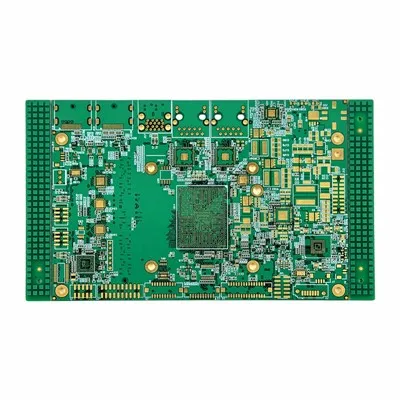
In conclusion, data analytics has become an integral part of our PCB Assembly business. From quality control and process optimization to supply chain management, customer relationship management, and Design for Manufacturability, data analytics provides us with the insights we need to make informed decisions and stay competitive in the market.
Flex PCB As a PCB Assembly supplier, we are committed to leveraging the latest data analytics technologies to improve the quality, efficiency, and overall value of our services. If you are in the market for a reliable PCB Assembly partner, we invite you to contact us for a procurement discussion. We believe that by working together and sharing data, we can develop customized solutions that meet your specific needs and exceed your expectations.
References
- Groover, M. P. (2010). Principles of Modern Manufacturing: Materials, Processes, and Systems. Wiley.
- Ross, T. J. (2010). Fuzzy Logic With Engineering Applications. Wiley.
- Seborg, D. E., Edgar, T. F., Mellichamp, D. A., & Doyle, F. J. (2011). Process Dynamics and Control. Wiley.
Huaswin Electronics Technology Co., Ltd.
Address: Building A2, Hao Hai Hong Industrial Park, No.3 Yu He Road, Gong He, Sha Jing, Bao An, Shenzhen
E-mail: sales@huaswin.com
WebSite: https://www.huaswin-pcba.com/
