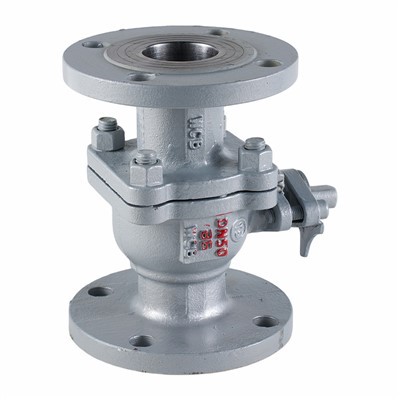
Hey there! I’m a supplier of ball valves, and I know firsthand how annoying valve noise can be. It’s not just a nuisance; it can also indicate potential problems with the valve or the system it’s part of. In this blog post, I’m gonna share some tips on how to reduce the noise of a ball valve. Ball Valve
Understanding the Causes of Ball Valve Noise
Before we dive into the solutions, let’s first understand what causes ball valve noise. There are several factors that can contribute to this issue:
- Cavitation: This occurs when the fluid flowing through the valve undergoes a rapid change in pressure, causing the formation and collapse of vapor bubbles. The collapse of these bubbles creates a loud noise and can also damage the valve.
- Fluid Velocity: High fluid velocity can cause turbulence and vibration, which in turn leads to noise. When the fluid moves too fast through the valve, it can create a whistling or hissing sound.
- Valve Design: The design of the ball valve itself can also play a role in noise generation. For example, a valve with a sharp edge or a non – streamlined flow path can cause more noise than a well – designed valve.
- Installation Issues: Incorrect installation, such as improper alignment or loose connections, can cause the valve to vibrate and produce noise.
Solutions to Reduce Ball Valve Noise
1. Choose the Right Valve Size
One of the simplest ways to reduce noise is to select the correct valve size for your application. If the valve is too large, the fluid velocity will be low, but it may not close properly, leading to leakage and potential noise. On the other hand, if the valve is too small, the fluid velocity will be high, which can cause cavitation and turbulence.
To determine the right valve size, you need to consider the flow rate, pressure, and the type of fluid. You can use flow calculation tools or consult with an engineer to make the right choice. For instance, if you’re dealing with a high – flow application, a larger valve may be more appropriate to keep the fluid velocity within an acceptable range.
2. Opt for a Low – Noise Valve Design
Some ball valves are specifically designed to reduce noise. These valves often have features like a streamlined flow path, a soft – seated design, or a multi – stage pressure reduction mechanism.
A streamlined flow path helps to minimize turbulence and pressure drops, reducing the likelihood of cavitation. Soft – seated valves can absorb some of the vibration and noise generated by the fluid flow. Multi – stage pressure reduction valves gradually reduce the pressure of the fluid, which can prevent the sudden pressure changes that cause cavitation.
When choosing a valve, look for models that are advertised as low – noise or anti – cavitation. You can also ask your valve supplier for recommendations based on your specific application.
3. Control Fluid Velocity
As mentioned earlier, high fluid velocity is a major cause of ball valve noise. You can control the fluid velocity by adjusting the flow rate or using flow control devices.
One way to adjust the flow rate is by using a throttle valve upstream of the ball valve. This valve can be used to regulate the amount of fluid entering the ball valve, thereby controlling the fluid velocity. Another option is to use a flow restrictor, which is a device that reduces the cross – sectional area of the flow path, increasing the pressure drop and reducing the fluid velocity.
4. Prevent Cavitation
Cavitation is a serious problem that not only causes noise but also damages the valve. To prevent cavitation, you can take several steps:
- Maintain Sufficient Pressure: Make sure that the pressure upstream of the valve is high enough to prevent the formation of vapor bubbles. You can use a pressure regulator to maintain a stable pressure.
- Use Anti – Cavitation Trim: Some ball valves come with anti – cavitation trim, which is designed to reduce the pressure drop across the valve in a more gradual manner. This helps to prevent the sudden pressure changes that cause cavitation.
- Change the Fluid Properties: In some cases, changing the properties of the fluid, such as its temperature or viscosity, can reduce the likelihood of cavitation. For example, increasing the temperature of the fluid can increase its vapor pressure, reducing the risk of cavitation.
5. Proper Installation and Maintenance
Proper installation and maintenance are crucial for reducing ball valve noise. Here are some tips:
- Align the Valve Correctly: Make sure that the valve is properly aligned with the pipeline. Misalignment can cause the valve to vibrate and produce noise.
- Tighten the Connections: Loose connections can also lead to vibration and noise. Make sure that all the connections are tightened to the recommended torque.
- Inspect and Replace Worn Parts: Regularly inspect the valve for worn parts, such as seals and seats. Replace any worn parts promptly to prevent leakage and noise.
Real – World Examples
Let me share a real – world example of how we helped a customer reduce ball valve noise. A manufacturing plant was experiencing excessive noise from their ball valves in a high – pressure water system. The noise was not only disturbing the workers but also indicating potential cavitation and valve damage.
We first analyzed the system and found that the valves were undersized for the flow rate, causing high fluid velocity and cavitation. We recommended replacing the valves with larger ones and installing anti – cavitation trim. After the installation, the noise was significantly reduced, and the valves operated more smoothly.
Conclusion
Reducing the noise of a ball valve is not only about making the environment more comfortable but also about ensuring the proper functioning and longevity of the valve. By choosing the right valve size, opting for a low – noise design, controlling fluid velocity, preventing cavitation, and ensuring proper installation and maintenance, you can effectively reduce ball valve noise.
Type Strainer If you’re facing ball valve noise issues or are looking for high – quality ball valves for your application, don’t hesitate to reach out. We’re here to help you find the best solutions for your needs. Let’s have a chat and see how we can work together to solve your valve problems.
References
- "Valve Handbook" by J. F. Monahan
- "Fluid Mechanics" by Frank M. White
- Industry white papers on ball valve noise reduction
Xiongxiang Valve Group Co., Ltd.
As one of the most professional ball valve manufacturers and suppliers in China, we’re featured by quality products and good price. Please rest assured to wholesale cheap ball valve for sale here from our factory. Contact us for more details.
Address: Building 1, No.306, 12th Binhai Road, Jinkai District, Wenzhou City, Zhejiang Province, China
E-mail: info@xiongxiangvalve.com.cn
WebSite: https://www.steelvalvegroup.com/
