Hey there! I’m a supplier of FS – Elliott Compressor Coolers, and today I wanna chat about how ambient temperature can impact these coolers. FS-Elliott Compressor Cooler
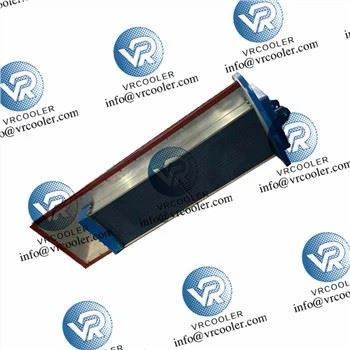
Let’s start with the basics. The FS – Elliott Compressor Cooler is a crucial piece of equipment in many industrial setups. It’s designed to keep the compressor running at an optimal temperature, ensuring its efficiency and longevity. But ambient temperature, which is the temperature of the surrounding environment, can really throw a wrench in the works.
When the ambient temperature is low, things seem to be going great at first glance. The cooler has an easier time dissipating heat. You see, the cooler works by transferring the heat from the compressor to the surrounding air. When the air outside is cold, there’s a bigger temperature difference between the compressor and the ambient air. This means heat can flow more easily from the compressor to the air, and the cooler doesn’t have to work as hard.
For example, in a cold winter day, say around 0°C (32°F), the cooler can quickly get rid of the heat generated by the compressor. The compressor can operate more efficiently because it doesn’t get too hot. This can lead to lower energy consumption since the cooler doesn’t need as much power to do its job. And that’s a win – win for everyone. Less energy use means lower costs for the user, and it’s also better for the environment.
However, low ambient temperatures aren’t all sunshine and rainbows. Cold air can be dry, and dry air has a lower heat – carrying capacity. So, even though the temperature difference is large, the air might not be able to carry away as much heat as we’d like. Also, in extremely cold conditions, some of the components in the cooler might become brittle. For instance, rubber seals can harden and crack, which can lead to leaks. And if the cooler freezes, well, that’s a whole new set of problems. The ice can block the flow of coolant, causing the cooler to malfunction and potentially damaging the compressor.
Now, let’s talk about high ambient temperatures. When it’s hot outside, like on a sweltering summer day with temperatures above 30°C (86°F), the cooler has a much tougher job. The temperature difference between the compressor and the ambient air is much smaller. This means that heat transfer becomes less efficient. The cooler has to work overtime to try and keep the compressor cool.
As the cooler struggles to dissipate heat, the compressor can start to overheat. When a compressor overheats, it can lead to a whole host of issues. The efficiency of the compressor drops significantly. It has to use more energy to do the same amount of work, which drives up operating costs. Overheating can also cause wear and tear on the compressor’s components. The lubricants in the compressor can break down faster, leading to increased friction and potential damage to the moving parts.
In addition, high ambient temperatures can cause the coolant in the cooler to evaporate more quickly. This means that the coolant level can drop, and if it’s not monitored and refilled regularly, it can lead to the cooler not working properly. And if the coolant evaporates completely, it can cause the cooler to fail, which can shut down the entire compressor system.
Another thing to consider is humidity. High ambient temperatures often come with high humidity. Humid air can make it even harder for the cooler to dissipate heat. Water vapor in the air can reduce the heat – transfer efficiency of the cooler. It’s like trying to cool something down in a steam room. The moisture in the air makes it difficult for the heat to escape.
So, what can we do to deal with these temperature – related challenges? Well, for low – temperature situations, we can use insulation to protect the cooler and its components. We can also use anti – freeze in the coolant to prevent it from freezing. And for high – temperature scenarios, we can increase the size of the cooler or add additional cooling capacity. We can also use fans or other ventilation systems to improve the air flow around the cooler, which can help with heat dissipation.
As a supplier of FS – Elliott Compressor Coolers, I’ve seen firsthand how important it is to take ambient temperature into account. Whether you’re in a cold climate or a hot one, the performance of your compressor cooler can be greatly affected. That’s why it’s crucial to choose the right cooler for your specific environment.
If you’re in the market for an FS – Elliott Compressor Cooler, or if you’re having issues with your current cooler due to ambient temperature, I’d love to have a chat with you. We can discuss your specific needs and come up with the best solution for your situation. Whether it’s adjusting the cooler’s settings, upgrading the equipment, or just getting some advice on how to maintain it in different temperatures, I’m here to help.

Don’t let ambient temperature be a headache for your compressor cooler. Reach out, and let’s work together to keep your compressor running smoothly.
Ingersoll Rand Compressor Cooler References:
- Industrial Compressor Handbook, various editions
- Technical manuals of FS – Elliott Compressor Coolers
Changzhou Vrcooler Refrigeration Co., Ltd.
Changzhou Vrcooler Refrigeration Co., Ltd. is one of the most professional fs-elliott compressor cooler manufacturers and suppliers in China, specialized in providing high quality aftermarket service. Please rest assured to buy high-grade fs-elliott compressor cooler for sale here from our factory. For price consultation, contact us.
Address: No. 18-69,Changwu Zhong Road, Wujin district, Changzhou, Jiangsu
E-mail: info@vrcooler.com
WebSite: https://www.vrcooler.com/
