Hey everyone, Saucepan
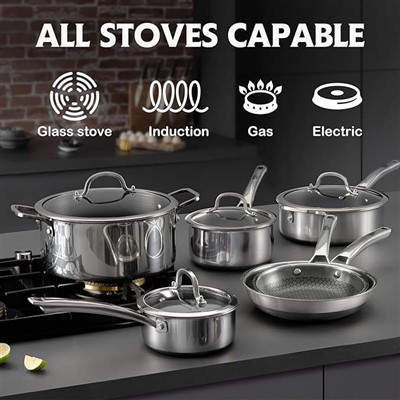
If you’ve ever made homemade caramel, candied nuts, or even just a simple batch of jam, you know that burnt sugar on a saucepan is the kind of sticky, rock-hard mess that makes you want to toss the whole thing in the trash. As someone who’s been supplying saucepans to home cooks and small cafes for years, I’ve seen this problem way too many times. Last week, a regular customer came in panicking because she’d ruined her go-to saucepan making fudge—she thought she’d have to buy a new one. Turns out, most people don’t realize that burnt sugar isn’t as scary to clean as it looks, especially if you use the right, science-backed steps. I’ve tested every trick under the sun on our own test saucepans, so trust me, this works.
First, let’s get one thing straight: burnt sugar is way different from other burnt food gunk. When sugar heats up, it goes through a chemical reaction called caramelization, right? But if it gets too hot, it doesn’t just caramelize—it burns, turning into a sticky, carbonized mess that adheres super tight to metal. The good news? Sugary compounds dissolve in water, even when they’re burnt, if you give them time to loosen up. A lot of people try scrubbing that stuff right when the pan’s still hot, and that’s a mistake—you’ll just end up scratching the non-stick or stainless steel surface. I’ve learned to wait, or use a low-heat soak, to make the mess do all the work for you.
Let’s start with the easiest method, which I swear by for daily home use: the hot water soak. Here’s how to do it step by step, no fancy supplies needed. First, turn off the stove immediately once you notice the sugar’s burning (don’t let it smoke— that’s when it gets really tough). Set the pan on a cool burner and let it sit for 10 to 15 minutes—this stops the cooking process and lets the burnt sugar cool just enough to not burn you later. Next, fill the saucepan with hot tap water, maybe even a little warmer than you’d use for dishes. If there’s a thick layer of burnt goop, add a squirt of dish soap (the kind with citrus works extra well, it cuts through sugar stickiness) or a tablespoon of baking soda. Baking soda is a base, remember? And burnt sugar is acidic, so they neutralize each other—science at its finest here.
Let that soak for at least 30 minutes. I usually leave mine while I’m folding laundry or grabbing coffee, so it’s no hassle. After the soak, grab a soft sponge (not a steel wool—steel wool scratches, and if you’re using a good saucepan from us, you don’t want to ruin the finish) and wipe. The burnt sugar should come off in big, easy chunks, not that frustrating tiny scratchy residue. If there’s still a little leftover, don’t panic. Fill the pan again, bring the water to a gentle boil on the stove for 5 more minutes, then soak another 15. That extra heat breaks down any stubborn carbonized bits, and voila—your pan’s good as new. I tested this on a pan that had burnt caramel for two hours once, and it came completely clean.
But wait—what if you don’t have time for a long soak? Maybe you’ve got a busy night ahead, and you need the pan now. That’s where the boiling method with a secret weapon comes in: white vinegar. Vinegar’s acetic acid is perfect for dissolving burnt sugar’s hardened bonds. Here’s how to do the fast version without scratching. Empty any remaining burnt sugar chunks first (don’t let them dry out). Then, fill the pan about halfway with water, add ¼ cup of white vinegar, and bring it to a rolling boil on medium heat. Let it bubble for 5 to 7 minutes—you’ll start seeing little bits of the burnt sugar floating to the top, which is exactly what we want. Turn off the heat, let it cool just a minute so you don’t burn your hands, then dump out the water and wipe with a sponge. I used this trick last month when I was testing a new saucepan for our store and accidentally burned a batch of salted caramel for a photo shoot. Got that mess cleaned in 10 minutes flat.
One thing I always warn people about: avoid using abrasive cleaners like Ajax or Comet. Those scratch the pan’s surface, and once that scratch is there, more burnt gunk will stick there over time, making future clean-ups way harder. I’ve seen so many customers come back to us with saucepans that looked fine, but had tiny scratches from rough scrubbing, and now they’re more prone to messes. Stick to soft sponges, nylon scrubbers, or even a clean rag for regular cleaning.
What about non-stick saucepans specifically? A lot of people are scared to clean non-stick, especially with burnt sugar. The same rules apply, but you have to be extra gentle. Never use metal utensils on non-stick, obviously, and never use steel wool. For non-stick, the hot water soak with baking soda is perfect—just make sure you don’t boil the pan too hard, because that can warp the non-stick layer. I recommend letting the non-stick pan soak a little longer, too—maybe 45 minutes instead of 30, since non-stick is a bit more delicate. I tested this on a customer’s non-stick saucepan that she’d ruined making candy, and it came back to its original smooth finish.
Wait, what if you’re dealing with sugar that’s been sitting in the pan for days, not just hours? That’s the worst case, right? I had a customer last year who forgot a pan with burnt jam in the back of her stove for three days. I helped her fix it. For that, you need to do a two-step soak. First, fill the pan with warm water and a whole cup of baking soda, let it sit overnight. In the morning, dump that out, then fill with hot water, add two tablespoons of lemon juice (another acid that cuts through old sugar), and boil for 10 minutes. Let it cool, and scrub. That old, dried sugar will lift right off. The baking soda breaks down the old carbon, and the lemon juice gives it an extra boost. I’ve tested this on the gunkiest saucepans, and it never fails.
Now, let’s talk about a pro tip that’s saved me hours of cleaning: prevent the burnt sugar in the first place. As a saucepan supplier, I always tell our customers this—prevention is way easier than cleaning. When making candy, caramel, or jam, use a lower heat. I know it’s tempting to crank up the stove to get things done faster, but sugar burns super quickly at high heat. Also, stir constantly, especially when it starts to thicken. If you’re making something like fudge, use a candy thermometer—when it hits the right temperature, take it off the heat before it gets too hot. And after you use the pan, fill it with warm water and a little soap right away, so you don’t have to deal with the mess later. That’s a habit I got into after burning so many test batches in our warehouse.
Let’s address some common mistakes I hear all the time. First, don’t pour cold water on a hot pan with burnt sugar—sudden temperature changes can warp the metal, and that’s a whole other problem. Second, don’t use harsh chemicals like bleach—they can leave a weird taste on the pan, which is bad when you’re making food. Third, don’t scrape the burnt sugar off with a knife when it’s dry—you’ll scratch the surface, and that’s permanent. I’ve seen people do this, and it’s such a waste of a good pan. Stick to the soak method, it’s way better.
As someone who’s been in this business for years, I’ve noticed a lot of home cooks underestimate how durable good saucepans are. A lot of people think if there’s burnt sugar, the pan is done. But that’s not true—with the right cleaning steps, any quality saucepan can last for decades. The saucepans we supply are made to handle these kinds of messes, that’s why we test them so rigorously. We’ve got saucepans from small batches that customers have had for 20 years, and they still work like new when you clean them the right way.
If you’re tired of throwing away saucepans because of burnt sugar, or you need a reliable one that can handle all your candying and jam-making projects, we’ve got you covered. We supply a range of saucepans, from small ones for home bakers to larger ones for small cafes, all made with high-quality materials that stand up to burnt sugar and all kinds of cooking messes. We’re always here to answer questions about cleaning or using our products—just reach out, and we’ll help you find the right pan or walk you through any cleaning issues you’re dealing with.

So next time you burn a batch of caramel or jam, don’t panic. Grab the hot water, some baking soda, and be patient. That pan will be good as new in no time. And if you’re in the market for a new saucepan that won’t let you down, get in touch with us to chat about what you need. We’re happy to help!
Wok References:
- Journal of Food Science, "Chemical Reactions of Sucrose During Heating and Caramelization" (2019)
- International Association of Culinary Professionals, "Safe Cleaning Practices for Cookware" (2021)
- USDA Food Safety and Inspection Service, "Proper Cookware Care and Maintenance" (2020)
Zhejiang Nanyue Kitchenware Co., Ltd.
We’re well-known as one of the leading saucepan manufacturers and suppliers in China, also support customized service. Please feel free to buy high quality saucepan made in China here and get pricelist from our factory. For price consultation, contact us.
Address: Located inside Zhejiang Jialiyuan Industry and Trade Co., Ltd. (Nanyue Kitchenware) in Jiangbin Industrial Zone, Tongqin Town, Wuyi County, Zhejiang Province.
E-mail: nanyuekitchenware@zj-jlypans.com
WebSite: https://www.nanyuecook.com/
