Can FRP Tanks be Used in Marine Environments?
As a supplier of FRP (Fiber – Reinforced Plastic) tanks, I often get asked whether our products can be used in marine environments. This is a crucial question, considering the unique challenges that the marine setting presents. In this blog, I’ll explore the feasibility of using FRP tanks in marine environments, delving into their advantages, limitations, and key considerations. FRP Tanks

Advantages of FRP Tanks in Marine Environments
One of the most significant advantages of FRP tanks in marine settings is their exceptional corrosion resistance. The harsh marine environment is filled with saltwater, which is highly corrosive to many materials. Metals, for example, are prone to rusting and degradation when exposed to saltwater over time. In contrast, FRP is a composite material made of fibers (usually glass fibers) and a resin matrix. The resin provides a protective barrier against the corrosive effects of saltwater, making FRP tanks highly suitable for long – term use in marine environments.
Another advantage is the lightweight nature of FRP tanks. In marine applications, weight is a critical factor, especially on vessels where every extra pound can affect fuel efficiency and stability. FRP tanks are much lighter than traditional metal tanks of the same capacity. This weight reduction not only helps in reducing the overall weight of the vessel but also makes installation and maintenance easier. For example, on a small fishing boat, a lightweight FRP fuel tank can be more easily installed and moved around compared to a heavy steel tank.
FRP tanks also offer excellent design flexibility. They can be custom – fabricated to meet specific requirements of marine applications. Whether it’s a unique shape to fit into a limited space on a ship or a specific capacity to meet the fuel or water storage needs, FRP tanks can be designed and manufactured accordingly. This flexibility allows for better integration of the tanks into the overall marine system.
In addition, FRP has good mechanical properties. It has high strength – to – weight ratio, which means that FRP tanks can withstand the mechanical stresses associated with the marine environment, such as wave impacts and vibrations. The fibers in the FRP material provide reinforcement, enhancing the tank’s ability to resist deformation and damage.
Limitations of FRP Tanks in Marine Environments
Despite their many advantages, FRP tanks also have some limitations in marine environments. One of the main concerns is the potential for UV degradation. The marine environment is often exposed to high levels of sunlight, and the ultraviolet (UV) rays in sunlight can cause the resin in FRP to degrade over time. This can lead to a loss of mechanical properties, such as reduced strength and increased brittleness. To mitigate this issue, special UV – resistant coatings can be applied to the surface of the FRP tanks.
Another limitation is the relatively high cost of FRP tanks compared to some other materials. The manufacturing process of FRP tanks involves specialized equipment and skilled labor, which can drive up the cost. However, it’s important to consider the long – term benefits, such as the reduced maintenance and replacement costs due to their corrosion resistance.
FRP tanks may also be more susceptible to damage from sharp objects compared to metal tanks. In a marine environment, there is a risk of contact with sharp rocks, debris, or other objects that could puncture or scratch the FRP surface. While the tanks are designed to be durable, extra care needs to be taken during installation and operation to avoid such damage.
Key Considerations for Using FRP Tanks in Marine Environments
When considering using FRP tanks in marine environments, several key factors need to be taken into account.
First, proper installation is crucial. The tanks should be installed in a way that ensures they are securely mounted and protected from potential impacts. This may involve using appropriate mounting brackets and shock – absorbing materials. The installation location should also be carefully chosen to avoid areas where the tank is likely to be exposed to excessive stress or damage.
Second, regular maintenance is essential. Although FRP tanks are corrosion – resistant, they still require periodic inspection and maintenance. This includes checking for any signs of UV degradation, cracks, or other damage. If any issues are detected, they should be addressed promptly to prevent further deterioration.
Third, compliance with relevant standards and regulations is necessary. In the marine industry, there are strict standards and regulations regarding the use of tanks for storing fuel, water, and other substances. FRP tanks must meet these standards to ensure safety and reliability. For example, they may need to comply with fire – safety regulations and environmental protection requirements.
Fourth, the choice of resin and fiber is important. Different types of resins and fibers have different properties, and the selection should be based on the specific requirements of the marine application. For example, if the tank is used for storing chemicals, a resin with high chemical resistance should be chosen.
Applications of FRP Tanks in Marine Environments
FRP tanks have a wide range of applications in marine environments. One of the most common applications is for fuel storage on ships and boats. FRP fuel tanks are preferred due to their corrosion resistance and lightweight nature, which helps in improving the overall performance of the vessel.
They are also used for water storage. On long – distance voyages, ships need to carry a sufficient supply of fresh water. FRP water tanks can store water without the risk of corrosion, ensuring the quality of the stored water.
In addition, FRP tanks can be used for storing other substances such as chemicals and waste on ships. The corrosion resistance of FRP makes it suitable for handling a variety of chemicals, and its design flexibility allows for the creation of tanks with different capacities and shapes to meet specific storage needs.
Conclusion
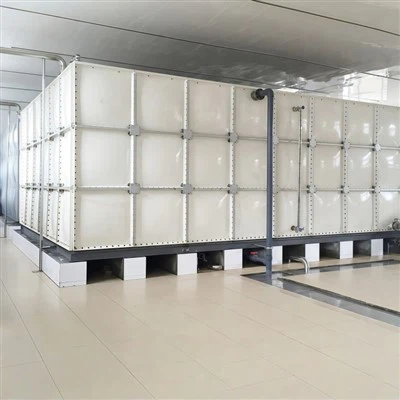
In conclusion, FRP tanks can indeed be used in marine environments, offering numerous advantages such as corrosion resistance, lightweight, and design flexibility. However, they also have some limitations, such as UV degradation and susceptibility to damage from sharp objects. By taking into account the key considerations, such as proper installation, regular maintenance, compliance with standards, and appropriate material selection, FRP tanks can be a reliable and cost – effective solution for marine applications.
FRP Environmental Equipment If you are interested in purchasing FRP tanks for your marine projects, I encourage you to reach out to us. We have a team of experts who can provide you with detailed information about our products, help you choose the right tank for your specific needs, and offer professional advice on installation and maintenance. Contact us to start a discussion about your FRP tank requirements.
References
- Handbook of Composites, edited by G. Lubin.
- Marine Engineering and Technology textbooks.
- Industry reports on FRP materials in marine applications.
Hebei Weihan Environmental Protection Equipment Co., Ltd.
We’re well-known as one of the leading FRP tanks manufacturers and suppliers in China, featured by quality products and good service. Please rest assured to buy customized FRP tanks at competitive price from our factory. Contact us for more details.
Address: No. 666 Chuangye Road, Zaoqiang County, Hengshui City, Hebei Province
E-mail: weihanmachine@gmail.com
WebSite: https://www.whanfrp.com/
