In the dynamic world of packaging, bottle printing stands as a crucial process that not only enhances the aesthetic appeal of products but also conveys vital information to consumers. As a dedicated bottle printer supplier, I am thrilled to take you on an in – depth journey through the intricate printing process of a bottle printer. Bottle Printer
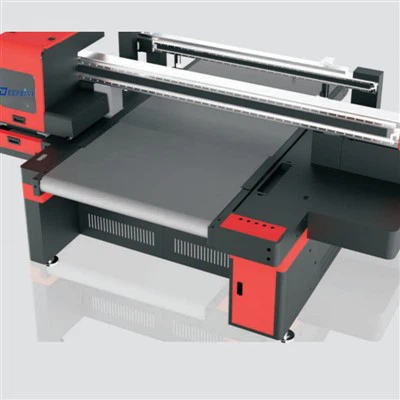
Pre – Press Preparation
The printing process begins long before the ink touches the bottle. It all starts with pre – press preparation, a phase that lays the foundation for a successful print job. First and foremost, we work closely with our clients to understand their specific requirements. This involves gathering details about the design, color scheme, and any regulatory information that needs to be included on the bottle.
Once we have a clear understanding of the client’s needs, our design team gets to work. Using state – of – the – art graphic design software, they create a digital mock – up of the bottle label. This mock – up allows the client to visualize the final product and make any necessary adjustments. We pay close attention to details such as font size, color accuracy, and image resolution to ensure that the design meets the highest quality standards.
After the design is finalized, we move on to the creation of printing plates. These plates are essential for transferring the design onto the bottles. Depending on the printing method, we may use different types of plates. For example, in offset printing, we typically use metal plates that are etched with the design. In flexographic printing, flexible plates made of rubber or photopolymer are used. The plates are carefully prepared to ensure that they accurately reproduce the design and are compatible with the printing equipment.
Printing Methods
There are several printing methods available for bottle printing, each with its own advantages and limitations. As a bottle printer supplier, we offer various printing solutions to meet the diverse needs of our clients.
Offset Printing
Offset printing is a widely used method in the packaging industry, especially for high – quality, detailed prints. In this process, the ink is first transferred from the printing plate to a rubber blanket and then onto the bottle. Offset printing offers excellent color accuracy and sharp image reproduction. It is ideal for printing complex designs, fine lines, and high – resolution images. The process can handle a wide range of bottle shapes and sizes, making it a versatile option for many applications. However, offset printing is generally more time – consuming and requires a larger setup, which may not be suitable for small – scale production runs.
Flexographic Printing
Flexographic printing is another popular choice for bottle printing. It uses flexible printing plates that are wrapped around a printing cylinder. The ink is applied to the plate, and then transferred to the bottle. Flexographic printing is known for its speed and efficiency, making it suitable for large – volume production. It can print on a variety of substrates, including plastic, glass, and metal. This method is also well – suited for printing on irregularly shaped bottles. However, the image quality may not be as high as offset printing, especially for very detailed designs.
Screen Printing
Screen printing is a traditional printing method that involves forcing ink through a mesh screen onto the bottle. This method is known for its ability to produce thick, opaque prints with vibrant colors. Screen printing is particularly suitable for printing on textured or irregular surfaces. It can also be used to print special effects, such as metallic inks or raised prints. However, screen printing is a relatively slow process, and each color requires a separate screen, which can increase the cost and production time for multi – color prints.
Digital Printing
Digital printing has emerged as a revolutionary technology in the bottle printing industry. It allows for on – demand printing, which means that we can print small quantities of bottles quickly and cost – effectively. Digital printing uses inkjet or laser technology to apply the ink directly onto the bottle. This method offers high – quality prints with excellent color accuracy and the ability to print variable data, such as barcodes and serial numbers. Digital printing is also environmentally friendly, as it produces less waste compared to traditional printing methods.
Printing Process Execution
Once the pre – press preparation is complete and the printing method is selected, it’s time to start the actual printing process. The bottles are first loaded onto the printing machine. Depending on the type of printer, the bottles may be fed manually or automatically.
Before the printing begins, the printing machine is calibrated to ensure that the ink is applied evenly and accurately. This involves adjusting the pressure, speed, and ink flow to achieve the desired print quality. The temperature and humidity of the printing environment are also carefully controlled to ensure optimal printing conditions.
During the printing process, the ink is transferred from the printing plate or print head onto the bottle. The bottles pass through the printing stations, where each color is applied in sequence. In multi – color prints, the registration of the colors is crucial to ensure that the design aligns correctly. Our printing machines are equipped with advanced registration systems that ensure precise alignment of the colors.
After the printing is complete, the bottles are dried to set the ink. The drying process may vary depending on the type of ink and printing method used. Some inks dry naturally, while others require the use of heat or UV light to speed up the drying process.
Post – Press Finishing
Once the bottles are printed and dried, they undergo post – press finishing operations. This may include processes such as varnishing, laminating, or embossing to enhance the appearance and durability of the printed surface.
Varnishing is a common post – press finishing technique that involves applying a clear coating to the printed surface. This coating can protect the ink from scratches, fading, and moisture. It also gives the bottle a glossy or matte finish, depending on the client’s preference.
Laminating involves applying a thin layer of plastic film to the printed surface. This film provides additional protection and can also enhance the visual appeal of the bottle. Laminating can be used to create a variety of effects, such as a metallic or holographic finish.
Embossing is a technique that creates a raised or indented design on the bottle surface. This can add a tactile and visual element to the packaging, making the product more appealing to consumers.
Quality Control
Quality control is an integral part of the bottle printing process. Throughout the printing process, we conduct regular inspections to ensure that the prints meet the highest quality standards. We use a variety of inspection methods, including visual inspection, color measurement, and print density measurement.
Visual inspection involves carefully examining the printed bottles for any defects, such as smudges, streaks, or misaligned colors. Color measurement is used to ensure that the colors of the print match the client’s specifications. We use colorimeters and spectrophotometers to accurately measure the color of the prints. Print density measurement is used to ensure that the ink is applied evenly and at the correct density.
Any bottles that do not meet the quality standards are rejected and re – printed. This ensures that only high – quality products are delivered to our clients.
Conclusion

The printing process of a bottle printer is a complex and multi – stage process that requires careful planning, precise execution, and strict quality control. As a bottle printer supplier, we are committed to providing our clients with the highest quality printing solutions. Whether you need a small – scale production run or a large – volume order, we have the expertise and technology to meet your needs.
Visual Positioning Flatbed Printer If you are interested in our bottle printing services, we invite you to contact us to discuss your specific requirements. Our team of experts will be happy to assist you in choosing the right printing method and design for your products. We look forward to working with you to create stunning and effective bottle packaging that will help your products stand out in the market.
References
- Packaging Machinery Manufacturers Institute (PMMI). "Packaging Machinery Technology and Trends."
- Smith, John. "The Art and Science of Bottle Printing." Packaging World Magazine, 2022.
- Jones, Mary. "Modern Printing Techniques for Bottles." Journal of Packaging Science, 2023.
Shenzhen Deeprint Technology Co., Ltd.
As one of the most professional bottle printer manufacturers and suppliers in China, we’re featured by quality products and good service. Please rest assured to buy customized bottle printer made in China here from our factory. Contact us for free sample.
Address: 6-1, Huangwu Road, Tongle Community, Baolong Street, Longgang District, Shenzhen City 518100,China.
E-mail: ellen@uvdprint.com
WebSite: https://www.uvd-print.com/
